
All of my posts are written for you—the person living with anxiety.
I write because I’ve been where you are, and because helping others find their way out has become my life’s work.
But this post isn’t for you.
This one is for them.
Your partner.
Your family.
Your friends.
Your people.
The ones who want to support you… and the ones who don’t understand you at all.
So if you’re reading this because someone you love sent it to you—welcome.
I’m really glad you’re here.
First, a hard truth.
Your opinion about another person’s anxiety is irrelevant.
That may sound harsh—but try living with anxiety 24/7/365.
Anxiety is harsh. And people who live with it already carry enough opinions, advice, judgment, and “helpful suggestions” from others.
They don’t need yours added to the pile.
Now let me show you what anxiety actually feels like.
Imagine you’re taking out the trash.
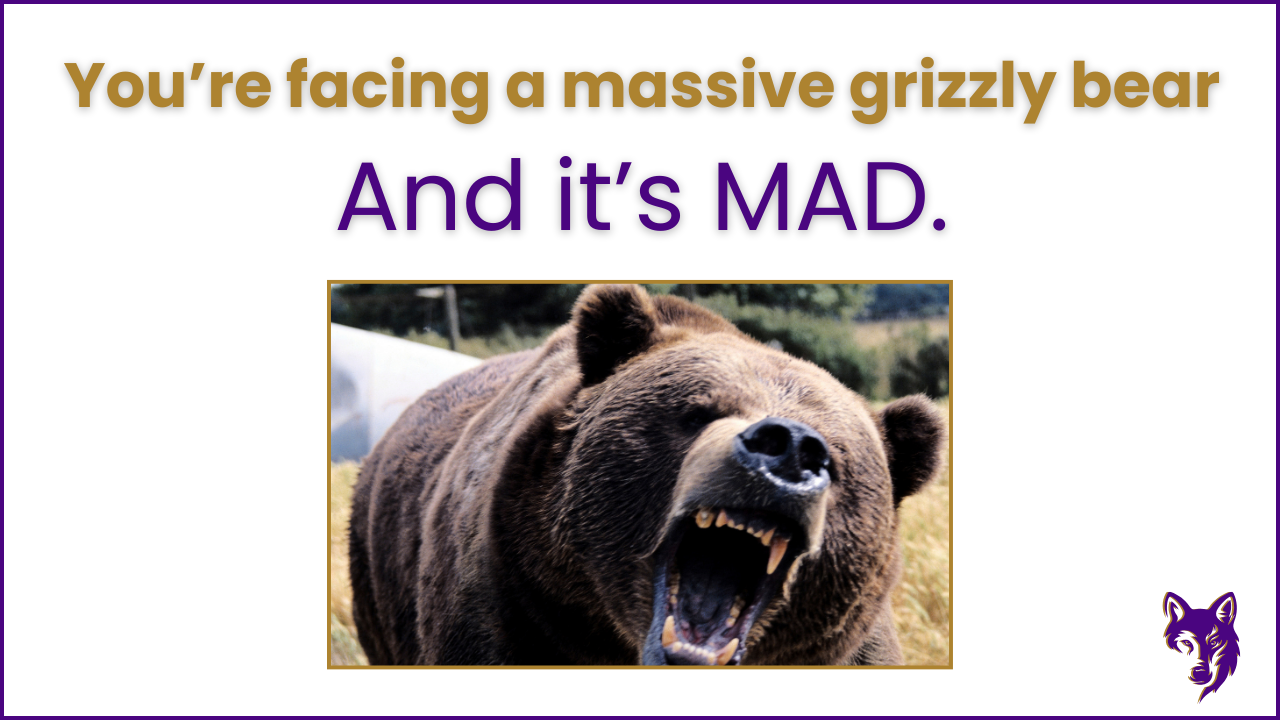
Suddenly, a massive grizzly bear lumbers toward you.
Six or seven hundred pounds.
One paw bigger than your head.
Five feet away.
And it’s angry.
Your body doesn’t pause to analyze the situation.
It reacts.
Your nervous system floods with stress hormones and launches into fight-or-flight—your body’s built-in survival response.
Your body goes on autopilot:
Blood pressure rises
Breathing becomes rapid
Skin flushes or turns pale
Muscles tense
Pupils dilate
Your mouth goes dry
You feel dizzy.
You feel like you can’t breathe.
Everything is happening all at once.
Now pause. Close your eyes. Really imagine this.
After the danger passes, you’re wrecked.
Completely drained—mentally and physically—like you just ran a marathon.
Now imagine this…
There is no bear.
You’re just standing in your living room.
And your body does the exact same thing.
You know there’s no danger.
You know the reaction doesn’t make sense.
And you still can’t stop it.
That’s anxiety.
Sounds miserable, right?
Welcome to the daily life of someone with an anxiety disorder.
Now imagine dealing with that—and then dealing with other people on top of it.
People who say:
“Just suck it up.”
“Don’t think about it.”
“You’re weak.”
“You’re so dramatic.”
Some even make jokes about it. To your face.
And when people with anxiety pull back to protect themselves?
They’re guilted for it.
“But they’re family!”
As if that excuses being dismissive, intrusive, or hurtful.
And then there’s medication shame.
“You need meds for anxiety? Seriously?”
“Only crazy people need medication.”
So now the person you love is:
Terrified by their own nervous system
Hurt by the people closest to them
Afraid to seek relief because of stigma
It’s exhausting.
And that’s still only part of the picture.
Anxiety doesn’t always look like panic.
There’s Generalized Anxiety Disorder—a constant, grinding weight.
Not dramatic. Not visible. Just relentless.
It’s second-guessing every word.
Replaying every interaction.
Assuming you did something wrong.
Feeling like you’re always behind. Always failing. Always on edge.
Panic attacks are easier to explain.
This isn’t.
So try this instead:
Imagine every single thought, emotion, fear, hope, disappointment, and stress you experience in an entire year—compressed into daily life.
Every doubt.
Every moment of exhaustion.
Every whisper of “I’m not enough.”
That’s what anxiety feels like.
It’s overwhelming.
It’s discouraging.
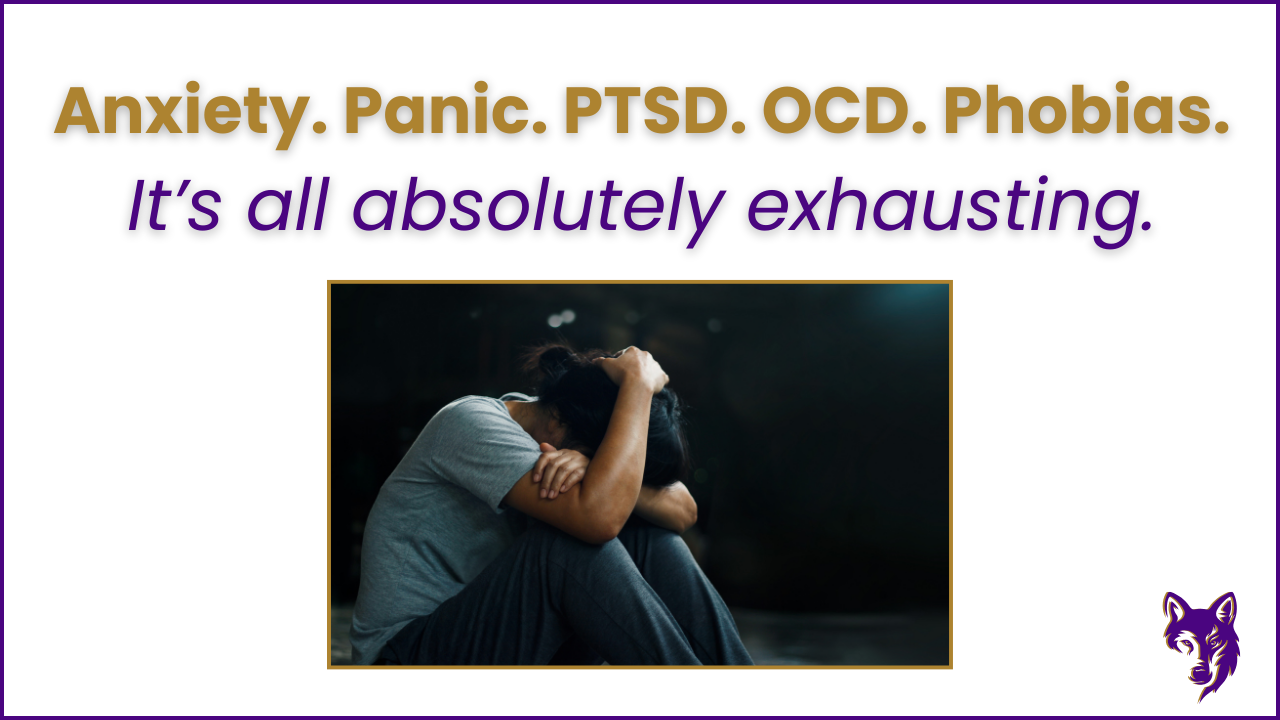
And it’s absolutely exhausting.
And no—it’s not a choice.
No one wakes up and thinks,
“Today feels like a great day to worry about everything.”
Just like your reaction to the bear, anxiety is automatic.
There’s also PTSD.
OCD.
Phobias.
Anxiety is a beast.
If you don’t have it, be grateful—and love the people who do with humility and care.
So how can you actually help?
Take their lead.
Some days they’ll feel brave.
Other days they’ll cancel plans and disappear.
It’s not personal.
It’s survival.
If they ask you to go with them somewhere scary, understand this:
They’re trusting you more than you probably realize.
Encourage them—but don’t bully.
Support them—but don’t demand.
If they come to you emotionally, they don’t want solutions.
They want presence.
Sometimes they don’t want advice at all.
They just want you there.
Learn about anxiety.
Educate yourself.
It would mean more than you know.
What you’re really offering when you support someone with anxiety is this:
You’re telling them they’re not alone
You’re showing them they’re safe to be themselves
You’re proving they matter more than their disorder
You have the power to be part of their healing.
And you also have the power to do real harm.
Choose wisely.
Because people with anxiety are often incredibly intelligent, creative, empathetic, loyal humans—exactly the kind of people you’d want in your corner.
If you’ve read this far, you care deeply about someone with anxiety.
Thank you.
This kind of understanding changes everything.
You’ve got this.
They’ve got this.
And I’m really glad you’re here.
